
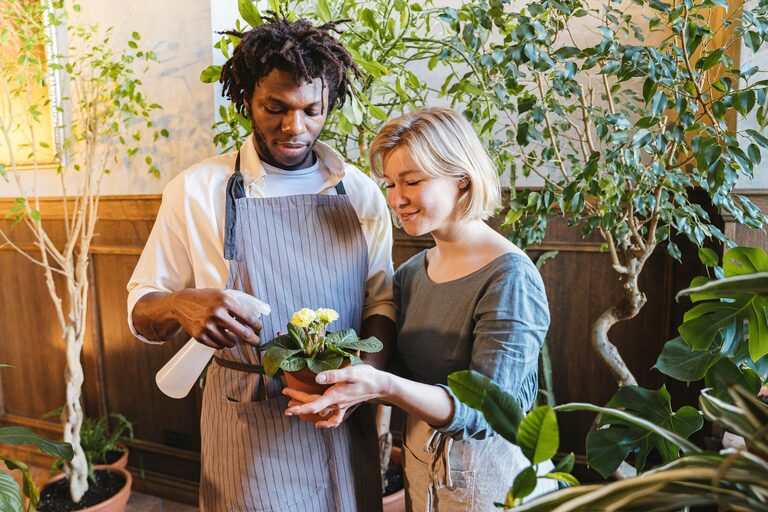
Essential Tips for Keeping Your Houseplants Healthy and Thriving
Bringing houseplants into your home can brighten your space, improve air quality, and provide a lovely hobby. However, keeping these green friends healthy requires some attention and care. Whether you’re new to indoor gardening or looking to improve your plant care routine, these essential tips will help your houseplants thrive.
Understanding Your Houseplants’ Needs
Every plant species has its own preferences when it comes to light, water, soil, and humidity. Taking time to learn about the specific needs of your houseplants is the first step toward keeping them healthy.
Light Requirements
Most houseplants need a balance of light—not too much direct sunlight and not too little.
– Bright indirect light: Many popular plants like pothos, peace lilies, and spider plants do well with bright, indirect light.
– Low light: Some plants, such as snake plants and ZZ plants, tolerate low light, but growth may slow.
– Direct sunlight: Succulents and cacti often thrive in direct sunlight for a few hours a day.
Place your plants near windows, but avoid intense afternoon sun that can scorch leaves. You can also rotate plants regularly to ensure all sides get light.
Watering Your Plants Correctly
Overwatering is one of the most common causes of unhealthy plants. Here’s how to avoid it:
– Check soil moisture: Stick your finger about an inch into the soil. If it feels dry, it’s time to water.
– Water thoroughly: When watering, soak the soil evenly until water drains from the bottom of the pot.
– Avoid letting plants sit in water: After watering, empty any excess water from saucers to prevent root rot.
– Adjust frequency seasonally: Plants usually need less water in fall and winter when growth slows.
Choosing the Right Soil and Pot
Healthy roots are key to a healthy plant. The right soil and container help with water drainage and nutrient supply.
– Use well-draining soil: Many indoor plants need soil that retains moisture but drains well.
– Select pots with drainage holes: This prevents water from pooling at the bottom, which can lead to root rot.
– Repot when necessary: If your plant has outgrown its pot or roots are coming out of drainage holes, it’s time to repot.
Feeding Your Plants: Fertilizer Basics
Houseplants benefit from occasional feeding during their growing season.
– Use a balanced, water-soluble fertilizer every 4-6 weeks in spring and summer.
– Reduce or stop fertilizing in fall and winter when plants are dormant.
– Follow the package instructions carefully to avoid over-fertilizing, which can harm plants.
Maintaining a Healthy Environment
Houseplants also need an environment that supports healthy growth.
Humidity and Temperature
Many indoor plants come from tropical regions and prefer higher humidity.
– Increase humidity by misting leaves, placing a humidifier nearby, or grouping plants together.
– Keep plants away from drafty windows, heating vents, and cold areas.
– Maintain indoor temperatures generally between 65-75°F (18-24°C) for most houseplants.
Pest Prevention and Control
Indoor plants can attract pests like spider mites, aphids, or mealybugs.
– Inspect your plants regularly for signs of pests or damage.
– Clean leaves gently with a damp cloth to remove dust and pests.
– Use natural pest control methods such as neem oil or insecticidal soap if needed.
Additional Tips for Thriving Houseplants
Pruning and Grooming
– Remove yellowing or dead leaves promptly.
– Prune leggy growth to maintain shape and encourage bushier growth.
– Regular grooming helps keep plants healthy and attractive.
Proper Placement
– Choose spots based on each plant’s light and humidity needs.
– Avoid overcrowding plants, which can lead to poor air circulation and disease.
Saving a Struggling Plant
If you notice your plant showing signs of stress (wilting, yellow leaves, dropped leaves):
– Check for watering issues first—either overwatering or underwatering.
– Inspect for pests or diseases.
– Consider repotting with fresh soil.
– Adjust lighting based on the plant’s needs.
Conclusion
Caring for houseplants is rewarding and can improve your home environment. By understanding your plants’ specific needs, watering wisely, providing the right soil and light, and maintaining a supportive environment, you can keep your houseplants healthy and vibrant year-round. Happy gardening!
Remember, every plant is unique, so take some time to observe and adjust care as needed. With a little attention, your indoor garden will flourish beautifully.
