
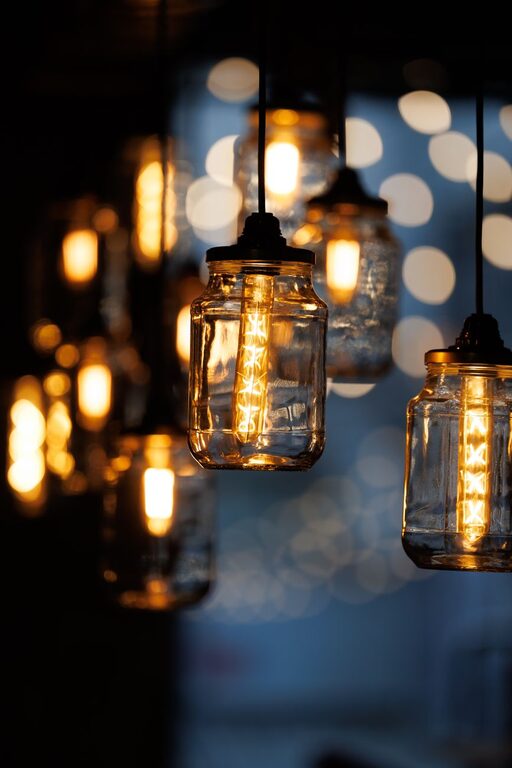
Tips for Choosing Comfortable Home Lighting
Creating a comfortable atmosphere in your home often starts with the right lighting. Whether you’re reading, cooking, or relaxing, good lighting plays a crucial role in setting the mood and supporting your daily activities. Choosing comfortable home lighting may seem straightforward, but with so many options available, it can become overwhelming. This guide will help you understand how to pick lighting that feels just right for your space.
Why Comfortable Lighting Matters
Comfortable lighting affects more than just visibility—it influences your mood, productivity, and even your health. Harsh or dim lighting can cause eye strain, headaches, or fatigue, while well-balanced lighting creates a cozy and inviting environment. Thinking about lighting comfort means considering the quality, intensity, and color of the light in each room.
Understand Different Types of Lighting
To choose the best lighting, it helps to know the three main types commonly used in homes:
1. Ambient Lighting
This is the general, overall light that fills a room. It provides uniform illumination and ensures you can move around safely. Ceiling fixtures, recessed lights, and large lamps often serve as ambient lighting.
2. Task Lighting
Task lighting focuses on specific areas where you perform activities like reading, cooking, or working. Desk lamps, under-cabinet lights, and pendant lights are examples. Proper task lighting reduces eye strain and increases effectiveness.
3. Accent Lighting
Accent lighting highlights particular features such as artwork, plants, or architectural elements. Spotlights and wall sconces commonly create this type of focused illumination.
Tips for Choosing Comfortable Home Lighting
Consider the Purpose of Each Room
Different activities require different lighting approaches:
– Living Room: Aim for a mix of ambient and accent lighting to create a relaxing atmosphere with options for reading or entertaining guests.
– Kitchen: Bright task lighting is essential for food preparation, combined with ambient lighting for general use.
– Bedroom: Soft, warm lighting helps you unwind, so use dimmable lamps and avoid overly bright fixtures.
– Bathroom: Bright, even lighting around mirrors is necessary for grooming, but avoid glare.
Choose the Right Bulb Color Temperature
Light color is measured in Kelvins (K), which affects how warm or cool the light appears:
– Warm White (2700K–3000K): Soft, cozy glow similar to traditional incandescent bulbs. Ideal for bedrooms and living rooms.
– Cool White (3500K–4100K): Brighter and more neutral, suitable for kitchens and bathrooms.
– Daylight (5000K–6500K): Bright and bluish, mimics natural daylight and is good for workspaces but may feel harsh for relaxing areas.
Opt for Adjustable Lighting
Dimmers and adjustable fixtures let you control brightness levels, so you can customize lighting according to time of day or mood. This flexibility greatly increases comfort.
Pay Attention to Bulb Brightness (Lumens)
Lumens measure how bright a bulb is. Higher lumens mean brighter light:
– For ambient lighting in a living room, 1,500–3,000 lumens total is generally sufficient.
– Task lighting should be brighter: around 4,000 lumens or more, depending on the task.
Choosing the right brightness prevents eye strain and creates a pleasant environment.
Use Layered Lighting
Layering light sources adds depth and reduces shadows. Combine ambient, task, and accent lighting in each room for the most comfortable and functional setup.
Select Fixtures That Soften the Light
Choose lampshades, diffusers, or frosted bulbs to soften harsh light and avoid glare. This creates a more inviting, comfortable space.
Incorporate Natural Light
Whenever possible, maximize natural sunlight during the day. Use sheer curtains to filter light without blocking it completely. Natural light boosts mood and complements artificial lighting.
Energy Efficiency and Longevity
Consider LED bulbs, which use less energy and last longer than traditional bulbs. Many LEDs come in a variety of color temperatures and dimmable options, making them a practical choice.
Final Thoughts
Choosing comfortable home lighting is about balancing functionality with ambiance. Think about each room’s purpose, your personal preferences, and the light quality you need. With these tips, you can create inviting, well-lit spaces that enhance your daily life.
By taking the time to choose the right combination of bulbs, fixtures, and controls, you’ll enjoy a home that feels brighter, warmer, and truly comfortable.
